Why You Need To Play Chess: The Advantages of Involving in This Timeless Intellectual Challenge
Chess is more than a straightforward game; it offers as a rigorous mental exercise that develops different cognitive skills. Gamers engage in calculated thinking and establish problem-solving capabilities, which can have long-term benefits in daily life. The self-control required for improvement cultivates patience and durability. The true significance of chess lies not simply in its intellectual needs yet in the connections it promotes within an area. Exploring these dimensions discloses much regarding why chess continues to be classic.
Enhancing Cognitive Abilities
Playing chess considerably improves cognitive skills, making it an important activity for people of any ages. The video game needs calculated reasoning and insight, calling for players to expect their challenger's steps while developing a winning technique. This mental workout sharpens emphasis and focus, vital components of cognitive function.

Additionally, chess encourages imagination, triggering gamers to check out cutting-edge techniques and non-traditional strategies to the game. As they navigate the chessboard, people establish patience and resilience, crucial characteristics for cognitive development. In general, the multifaceted cognitive advantages of chess make it an enriching pursuit, advertising lifelong imagination and intellectual engagement.
Enhancing Problem-Solving Abilities
Countless researches have actually revealed that engaging in chess can considerably enhance analytical capacities. The video game requires gamers to evaluate complicated positions and anticipate the challenger's moves, promoting important thinking skills. As they browse different scenarios, chess gamers create the capability to review numerous outcomes and make tactical decisions under pressure. This process enhances their capacity to technique real-life problems with an organized way of thinking.
Chess advertises the recognition of patterns and the application of rational reasoning, skills that are essential in reliable problem-solving. Gamers learn to analyze risks and incentives, refining their judgment in unpredictable circumstances. The repeated nature of chess play strengthens these abilities, permitting people to transfer their enhanced problem-solving capacities to scholastic and specialist contexts. Ultimately, chess acts as a beneficial tool for anyone looking for to develop their analytical abilities and enhance their general cognitive performance in difficult scenarios.
Cultivating Patience and Self-control
While taking part in chess can be an amazing experience, it also needs a significant level of patience and self-control. Players have to learn to meticulously consider each move, evaluating prospective outcomes and strategies. This thoughtful strategy cultivates a frame of mind that values long-term success over prompt satisfaction. In chess, hasty choices commonly result in undesirable repercussions, reinforcing the significance of taking one's time to analyze the board and anticipate a challenger's responses.
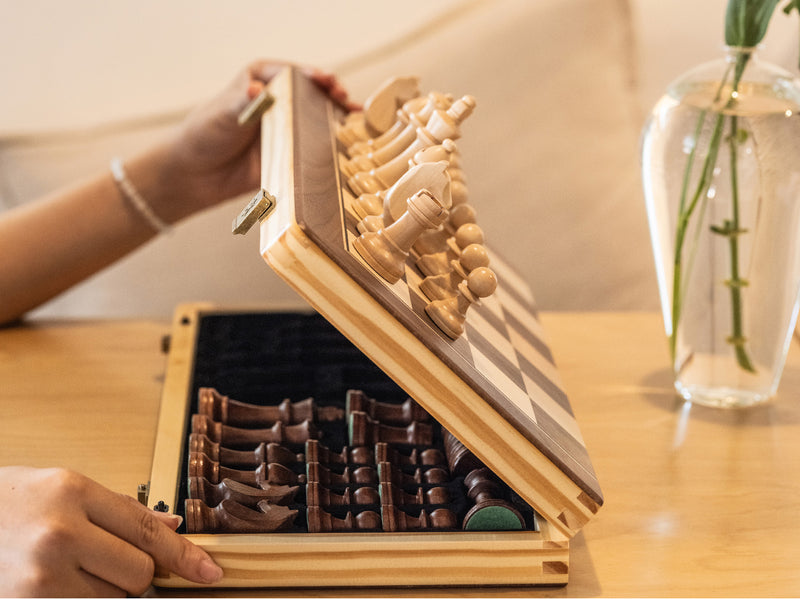
Technique is further grown with regular technique and research study. Gamers usually dedicate hours to enhancing their abilities, studying methods, and examining previous games. This commitment to grasping the video game infuses a sense of duty and determination, important qualities that extend past the chessboard. Inevitably, the combination of perseverance and technique not only improves a player's chess abilities however additionally contributes to individual development, equipping people with vital devices for navigating difficulties in numerous elements of life.
Fostering Creative Thinking and Creative Imagination
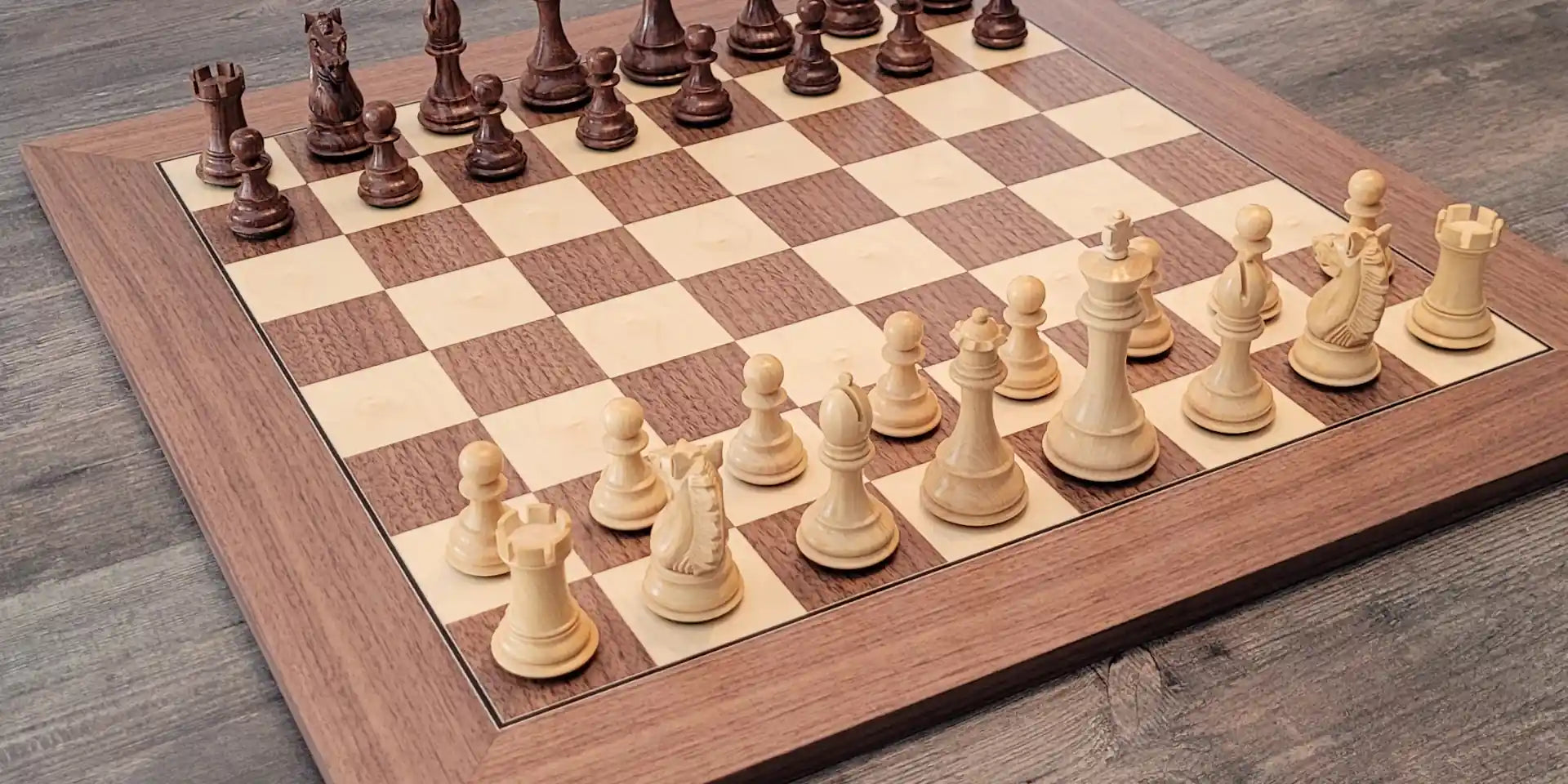
Strategizing steps involves not simply reasoning but also the capacity to expect an opponent's reactions, urging players to envision several paths and choices. As gamers try out different tactics, they find out to introduce and adjust, boosting their innovative problem-solving abilities.
Additionally, the game's intricacy invites players to explore unconventional concepts and techniques, causing individual designs of play. This expedition nurtures a sense of creative expression, as each player crafts their own strategy to challenges on the board. Inevitably, chess becomes a canvas for imagination, enabling individuals to share their special point of views while creating their creative capabilities
Structure Social Connections and Community
Playing chess offers chances for people to network through events and regional chess clubs. These settings cultivate links among gamers, developing a feeling of recreation center around a shared passion. Involving in these activities not only boosts abilities however additionally constructs long lasting partnerships.
Networking With Tournaments
When participants involve in chess tournaments, they frequently discover themselves involved in a vivid neighborhood of similar individuals. These occasions offer an outstanding platform for players to build links, share approaches, and commemorate their enthusiasm for the video game. Participating in friendly competitors promotes camaraderie, as gamers from diverse histories collaborated to challenge each various other. Networking possibilities are plentiful, with numerous participants forming lasting relationships that extend beyond the chessboard. Furthermore, these tournaments commonly bring in sponsors and chess enthusiasts, better enhancing the potential for professional connections. As players involve in conversations regarding strategies and experiences, they develop a network that can bring about future cooperations and opportunities within the chess world and past.
Local Chess Clubs

Supplying a Fun and Involving Challenge
Chess offers a distinctly boosting experience that captivates gamers of any ages, as it combines critical thinking with the thrill of competitors. This classic game offers a compelling challenge, urging people to think critically and artistically. Each suit unravels as a fight of wits, where players should anticipate their challenger's steps while developing their own approaches.
The intellectual engagement chess gives is matched by its ability to entertain. Gamers typically find themselves immersed in the game, losing track of time as they browse complicated settings and tactical dilemmas (Chess). This increased focus promotes a sense of success, particularly when a tough relocation causes victory
Chess promotes social interaction, allowing gamers to bond over shared experiences and obstacles. The game's unlimited variations assure that no 2 sessions are alike, keeping participants passionate to refine their abilities and methods. This dynamic mix of obstacle and enjoyment makes chess an irresistible quest.
Often Asked Inquiries
Can Chess Be Played Online or Just face to face?
Chess can be played both online and face to face. Online platforms use players the benefit of contending versus challengers worldwide, while in-person games promote social communication and physical presence, enriching the overall experience.
What Age Is Ideal to Beginning Discovering Chess?
Experts recommend that children can start finding out chess as very early as age five or 6. At this age, they can understand basic principles, improving cognitive skills while fostering a love for the game that lasts a life time.
Exist Chess Tournaments for Beginners?
Yes, there are chess tournaments especially designed for beginners. These events provide an encouraging environment for beginner players to get experience, improve their skills, and take visit homepage pleasure in the affordable spirit of chess without facing advanced challengers.
How Lengthy Does It Require To Become Skilled at Chess?
Ending up being skilled at chess usually requires regular practice over several months to years. Elements such as private dedication, previous experience, and study of strategies greatly affect the time required to get to a skilled level.
What Resources Are Offered for Understanding Chess Strategies?
Numerous resources exist for finding out chess strategies, consisting of on-line tutorials, books by distinguished writers, chess apps, and interactive websites. Numerous gamers additionally take advantage of signing up with neighborhood clubs or participating in online discussion forums for real-time understandings.